Dentists have more ways to learn than ever. Journals, online CE, podcasts, webinars, study clubs, and peer conversations can all bring useful ideas into view. The harder part is turning that steady flow of information into sound chairside judgment for the patient in front of you.
At Dentistry In General, we see the best dental clinical insights come from a mix of focused independent learning and honest case discussion. Solo study builds depth and confidence in a subject. Case conferences add real-world context, peer questions, and perspectives that can challenge assumptions before they become habits.
How Case Conferences Expand Clinical Insights
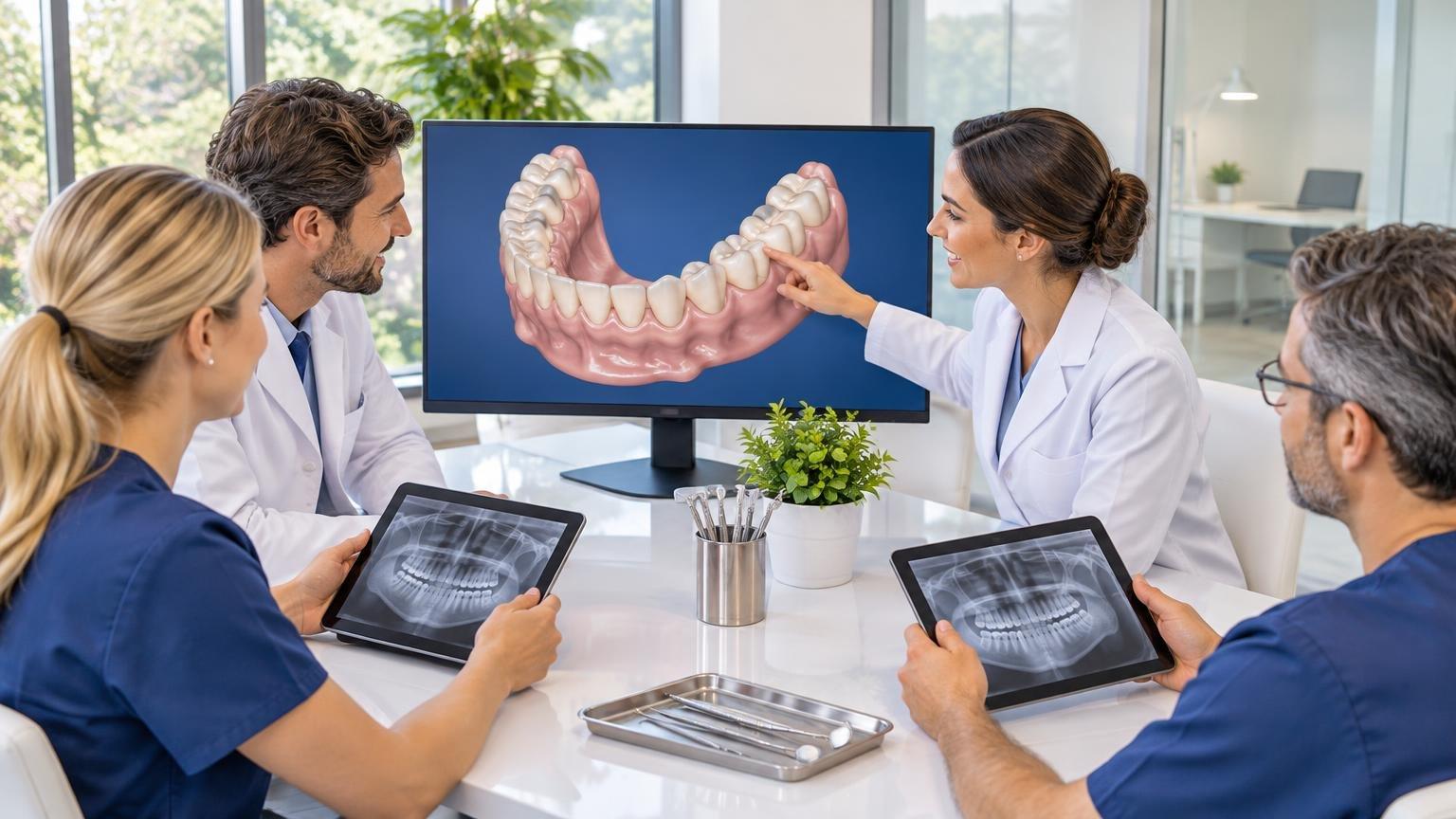
A case conference brings more than one set of eyes to the same clinical situation. A restorative dentist may focus on functional goals, while a specialist may raise referral or sequencing considerations. Hygienists can identify periodontal concerns, and treatment coordinators may recognize questions a patient is likely to have about the proposed plan.
That range matters because real cases are rarely neat. Patients may have medical considerations, dental fear, limited records, financial boundaries, esthetic priorities, or difficulty following through with care. Those variables can change how a textbook recommendation works in practice.
Respectful questioning is one of the strongest parts of group review. When you explain why you chose a material, procedure, referral path, or treatment sequence, you are asked to make your reasoning clear. We find that process can uncover blind spots and point you toward topics worth studying more closely.
- Different clinicians can spot different risks and opportunities
- Complicated cases create useful discussion, not failure
- Peer questions can clarify the reasoning behind a plan
- Shared review can improve communication with patients and teams
When Solo Study Builds Reliable Judgment
Independent study gives you control over the pace and focus of learning. If a case has raised questions about implant planning, occlusion, endodontic diagnosis, adhesive protocols, or another area, you can spend concentrated time reviewing the information most relevant to your needs.
Many clinicians benefit from building foundational knowledge before bringing a case to colleagues. Reviewing peer-reviewed research, clinical guidance, procedure videos, product documentation, and CE material can help you ask smarter questions during a later discussion. Rather than arriving with a vague concern, you can identify the exact part of the case that needs another viewpoint.
Studying alone does have limits. It can be easy to favor sources that support what you already believe or to miss practical issues that only show up in patient care. A recommendation may make sense in isolation but need adjustment when patient preferences, records, timing, and treatment acceptance enter the conversation.
Compare Learning Formats Through Patient Decisions
For diagnosis, solo study teaches frameworks, terminology, and evidence-based criteria. Case review tests how well those frameworks hold up when symptoms, imaging, patient preferences, and clinical findings do not line up perfectly.
Treatment planning works much the same way. Independent learning can deepen your understanding of procedures and protocols. A conference may reveal another treatment option, a sequencing concern, a referral need, or a communication issue that could affect patient understanding.
We recommend treating the two formats as a loop instead of separate choices:
- Study a topic that relates to a current clinical question
- Organize the records and findings connected to the case
- Bring focused questions to trusted peers or specialists
- Return to CE and clinical reading with a clearer purpose
- Apply the lessons thoughtfully in future decision-making
This back-and-forth approach helps turn broad education into practical dental clinical insights. It also keeps learning active. You are not simply collecting information, you are testing how it applies and refining your thinking over time.
Create a Balanced Learning System
A reliable learning routine does not have to be complicated. We encourage dentists to protect regular time for independent CE, reading, and skill-specific study, then pair that time with recurring case discussions. Those discussions may happen through a study club, peer forum, live event, specialist relationship, or professional community.
Preparation makes a meaningful difference. A well-organized case allows peers to spend less time filling in missing details and more time discussing the decisions that matter. Before presenting, gather the patient's chief concern, relevant health history, diagnostic records, treatment goals, constraints, proposed plan, and the specific questions you want answered.
Our dentist-focused communities, digital media, live events, and continuing education conversations are designed to support that kind of professional exchange. When the conversation stays centered on learning and patient care, diverse viewpoints become a resource rather than a source of confusion.
Put Better Insights Into Daily Practice
Case conferences and solo study are not competing approaches. Independent learning creates depth, while collaborative review adds context, accountability, and exposure to perspectives you may not reach on your own. Both can strengthen the way you evaluate information and explain decisions.
Choose one current clinical topic or challenging case. Review the evidence on your own, identify the questions that remain, and discuss those questions with a trusted group. The goal is not to find one perfect answer, but to build clearer reasoning for the patient decisions you make each day.
Turn Discussion Into Practical Growth
At Dentistry In General, we create spaces where dentists can sharpen their dental clinical insights through relevant education, peer connection, and industry conversations. Our community brings together professionals who want to stay engaged with the questions shaping everyday practice. To learn how you can take part, contact us today.