Build an Autonomous Chairside Day That Actually Flows
A great clinical day should feel calm, clear, and on time, even when the schedule is packed. You sit down, you know exactly what needs to happen, your team is a step ahead, and you are not getting pulled to the front every ten minutes to fix a problem. That is what we mean by an autonomous chairside day.
Autonomy is not just about doing what we want. It is about clinical clarity, simple systems, and a team that knows how to move with you. When those pieces work together, we cut down on friction, protect our standards, and still have energy at the end of the day. As schedules tighten after summer and fall gets busy, clinical dentistry best practices can hold the whole day together instead of letting the chaos win.
Clarify Your Clinical North Star Before You Sit Down
Before the first patient even opens their mouth, we need a clinical North Star. This is our clear, written philosophy on diagnosis and treatment planning. When we know our own line on caries depth, restorative thresholds, and perio standards, we stop hesitating in the chair.
Helpful places to define that North Star include:
- Caries: when do we monitor, when do we restore, and when do we recommend full coverage
- Cracks: what signs push us from "watch" to "crown" or "endo plus crown"
- Perio: what pockets, bleeding patterns, and bone levels trigger non-surgical vs referral
- Restorability: clear criteria for "saveable" versus "time to extract"
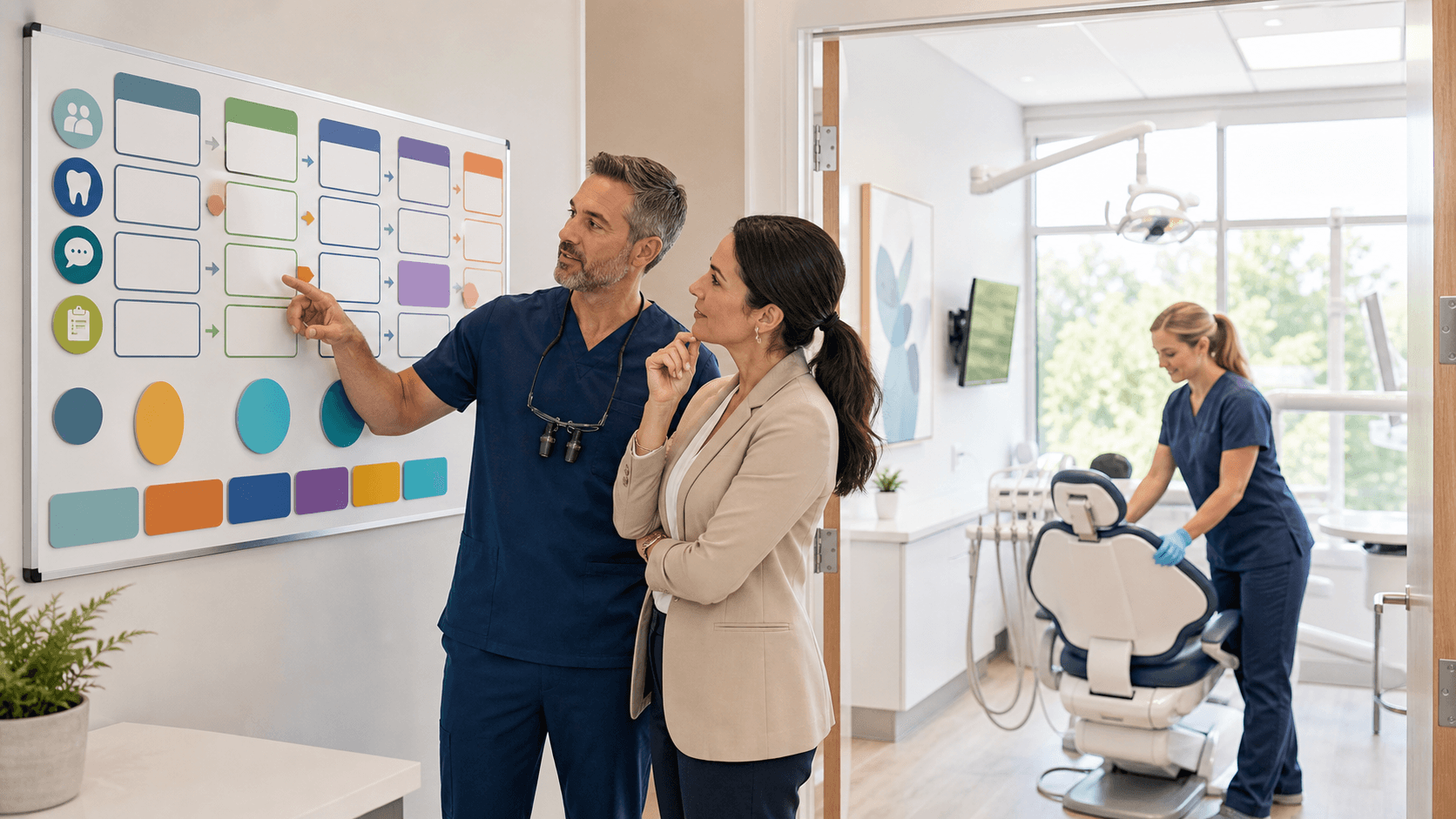
Turning clinical dentistry best practices into simple decision trees can be a big win. For example:
- Cracked tooth with lingering pain, cold sensitivity, and a large old filling
- Recurrent decay under a crown with marginal breakdown
- Deep caries close to the pulp on a high caries risk patient
If we already have a yes/no path for each of these, we avoid long pauses and hallway consults. Then we match those criteria with plain language for patients: instead of saying "this tooth is structurally compromised," we say "this tooth is breaking and will keep cracking until we protect it." Clear, honest words help patients say yes to needed care without feeling pushed.
Streamline Chairside Systems for Fall Schedule Pressure
When fall hits and the days get darker and busier, the operatory setup can make or break our autonomy. In many offices, the stress is not the dentistry, it is the scramble for a missing bur or a back-ordered item.
We can build a fall-ready setup by:
- Standard trays for common procedures, like single-surface composite, crown prep, endo start
- Seasonal planning for instruments, with enough turnover to cover late-running days
- Simple par levels for supplies, so the team knows when to restock before things run out
Block scheduling also protects our chairside sanity. Instead of random visits everywhere, we reserve specific blocks for more demanding procedures like endo, multi-surface composites, or same-day indirects. That way, we are not jumping from an emergency exam to a crown seat to a scaling and root planing all in a single tangled hour.
Checklists keep the mental load down. Quick lists for room flips, anesthesia timing, and lab coordination mean the team does not have to hold everything in their heads. That extra brain space goes back to clinical thinking where it belongs.
Elevate Chairside Communication Without Slowing You Down
Good communication does not have to take forever. With a simple script structure, we can be clear, kind, and fast. One helpful pattern is: problem, consequence, solution, timing.
For example, in plain words:
- Problem: "This tooth has a crack running through it."
- Consequence: "If we leave it, it can break deeper and hurt more."
- Solution: "A crown will hold the tooth together and protect it."
- Timing: "It is best to do this before the crack goes any deeper."
When assistants and hygienists learn to pre-frame, visits get smoother. They can point out fractures, old failing work, or bleeding areas while they are with the patient, then you come in to confirm and connect. Instead of starting from zero each time, you are finishing a conversation that has already been gently opened.
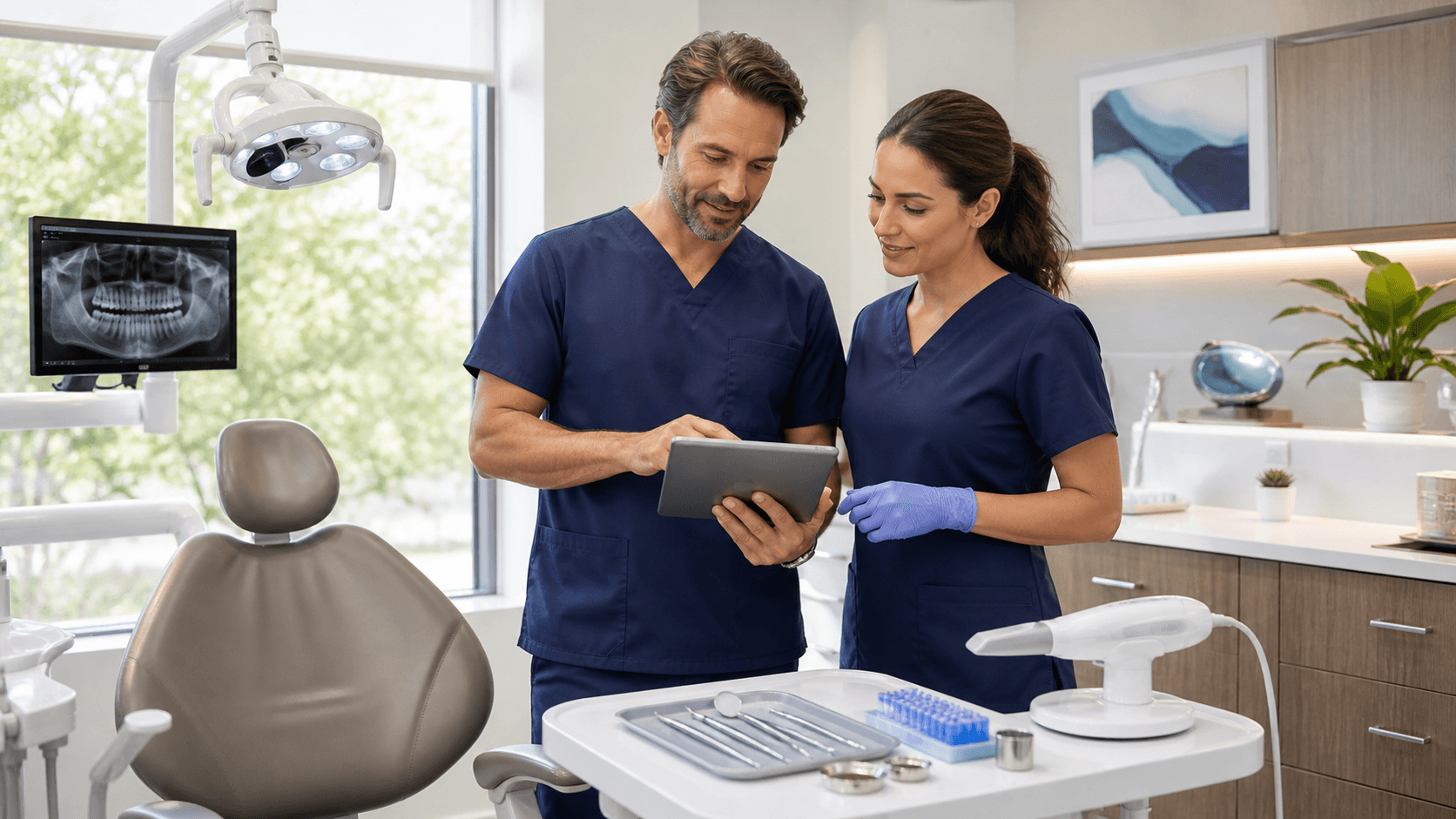
Visual tools help patient trust grow faster. Intraoral photos, scans, and quick chairside sketches make "cracked cusp" or "bone loss" real in a kind way. When patients can see it, they ask fewer "why now?" questions and we stay on time without rushing them.
Protect Clinical Excellence with Efficient Documentation
Autonomy also depends on what lives in the chart. Poor notes force us to second-guess ourselves the next time that patient is in the chair, or if we see them on an emergency day months later.
Smart templates in the practice software can help, such as:
- Cracked tooth or fractured cusp templates that note symptoms, tests, and diagnosis
- Recurrent caries templates that capture old material, depth, and margin issues
- Perio and risk assessment templates that cover bleeding, pockets, and home care
We can build in clinical dentistry best practices by adding fields for risk level, material choice, and why we picked it, and options offered and declined. This keeps us clinically protected and also keeps our future selves from guessing what happened.
A short end-of-day micro-huddle helps seal the day. Take a few minutes with the team to:
- Catch any missing notes or photos
- Confirm codes and surfaces are correct
- Flag any charts that need follow-up, lab calls, or medical consults
When we close those loops today, we free up tomorrow's brainpower for diagnosis, not damage control.
Turn Best Practices Into Tomorrow's Default Day
All of this can sound like a lot, especially when we are already busy. The key is to pick just one thing at a time. Choose a single piece to improve over the next week, like:
- Tightening up a diagnosis protocol for cracks or deep caries
- Cleaning up one tray setup that always slows you down
- Testing a new case presentation script for crowns
- Building one better documentation template for a common procedure
Then, once a week, run a quick "autonomy audit" with the team. Ask: where did we feel stuck or rushed in the past few days? What is one small, testable change that could make that moment smoother without lowering our standards?
At Dentistry In General, we care about practice autonomy for general dentists because we live the same daily pressure you do. When we treat clinical dentistry best practices as living systems, not just theory from a lecture, we get closer to that calm, on-time, clinically strong chairside day that feels like it runs itself, even when the schedule is full, and the season is busy.
Advance Your Team With Proven Clinical Systems
If you are ready to bring structure and confidence to every procedure, explore how our clinical dentistry best practices can transform your day-to-day dentistry. At Dentistry In General, we share practical, real-world protocols that your entire team can put into action immediately. Let us help you close the gap between what you know and what you consistently do in the operatory. Have questions or want guidance choosing the right next step for your practice? Contact us so we can talk through your goals together.