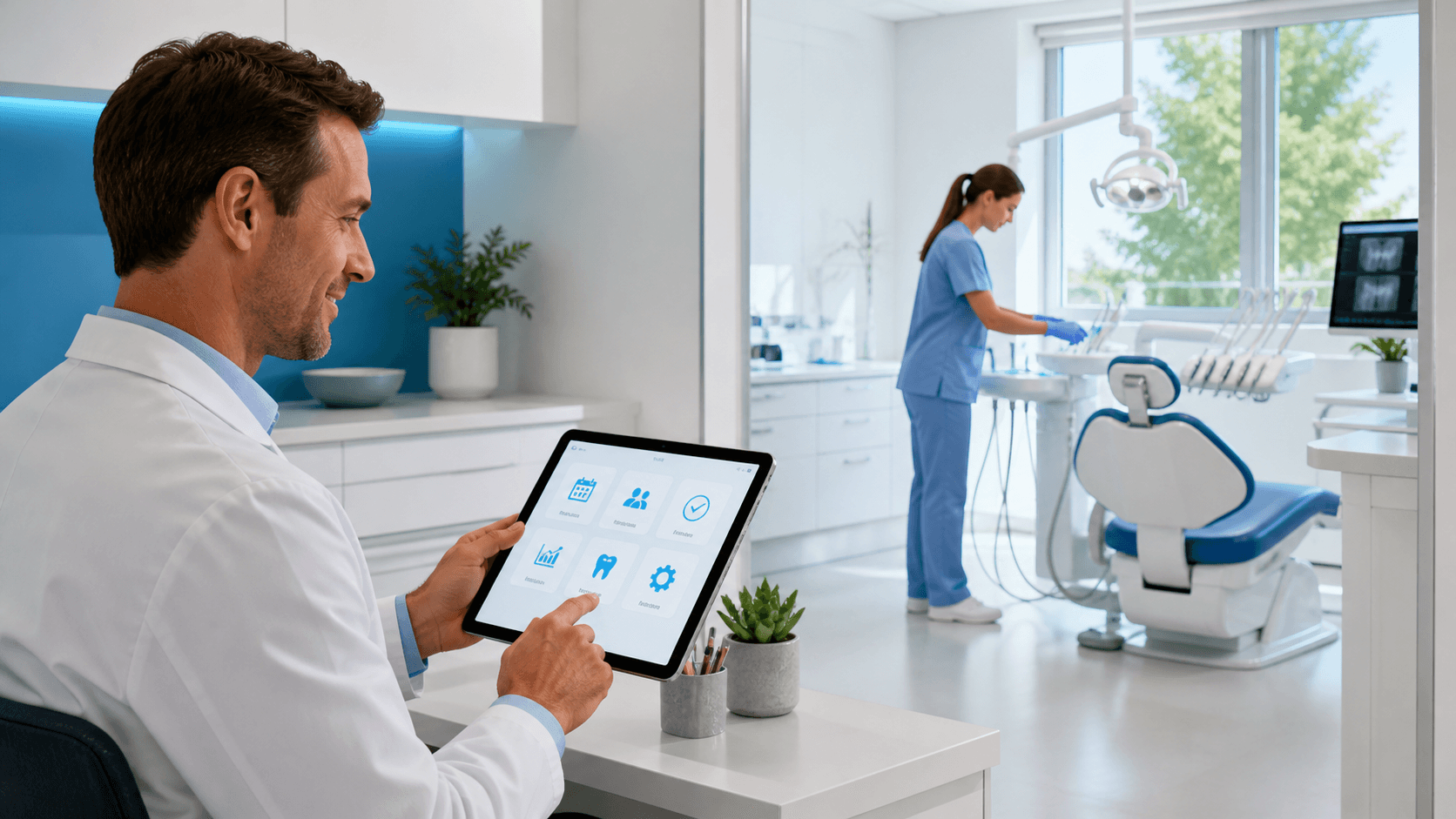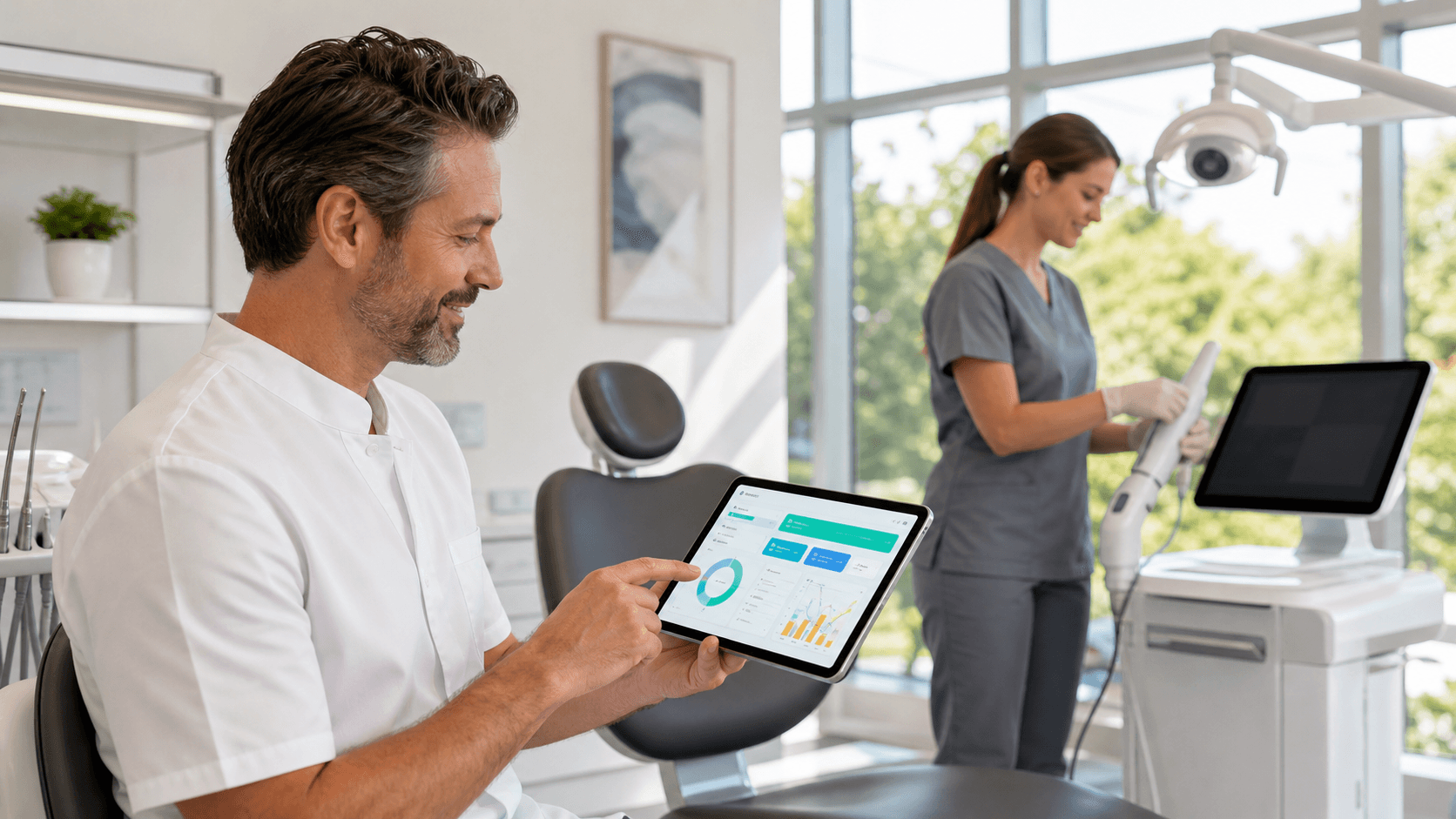
Understanding Dental Practice Digitization as a Path to Freedom
Dental practice digitization is not about chasing shiny gadgets. It is about building a practice that runs smoother, feels lighter, and gives you more control over your time, money, and energy. When we talk about freedom, we mean real choices in your daily schedule, not just someday far in the future.
We want to walk through what digitization actually looks like in a general practice and how it can turn constant stress into something more calm and intentional. We will connect the tech to real outcomes, like shorter workweeks, clearer numbers, and a practice that does not fall apart the second you leave for a long weekend.
From Chaos to Clarity: How Digitization Buys Back Your Time
If you are a general dentist in the last quarter of the year, you probably feel the squeeze. The days are darker, the weather around Chicago gets colder, and your schedule is packed with patients trying to use their insurance before it resets. Phones ring nonstop, the team is tired, and small mistakes start to slip through.
You might see things like:
- Double-booked chairs that no one noticed until the morning huddle
- Last-minute cancellations that never get filled
- Insurance rejections that sit in a stack because no one has time
- Clinical notes that lag behind and keep you staying late to finish
This is what we mean by "busy but stuck." You are working hard, but you are not getting more freedom. Dental practice digitization is not just buying a scanner or new software. It is a full rethink of how information moves through your practice, how decisions get made, and how patients flow from phone call to follow-up.
When that flow is cleaner, freedom shows up as:
- Fewer but more productive clinical days
- Less time chasing missing information
- A brain that is not carrying the entire practice in its memory
- Real options around when you work, how you work, and when you might sell
What Dental Practice Digitization Really Means Today
So what does dental practice digitization actually mean in plain terms? It means building a digital ecosystem, not a junk drawer of random tools. Lots of offices own digital equipment, but those tools sit in silos. The scanner does not really talk to the practice management system, the imaging software feels separate, and your team is still printing half the day.
A true digital practice focuses on:
- Integrated clinical and business systems that share data
- Unified patient records where notes, images, and treatment plans live together
- Predictable digital workflows that cut down on back-and-forth questions
There is a big difference between owning digital tools and having them work together to support smart choices in real time. The second one is where freedom lives.
Key pieces often include:
- Digital diagnostics and records, so findings are easy to track and compare
- Online patient access for forms, payments, and updates
- Paperless admin for insurance, consents, and internal checklists
- Automated communication for reminders, recalls, and follow-up
- Simple dashboards that make the health of the practice visible at a glance
When these parts line up, your team spends less time hunting and more time actually helping patients.
Reclaiming Clinical and Calendar Freedom Through Smart Systems
Clinical freedom is not just about owning cool tech. It is about smoother visits that do not drain you. Digital diagnostics, imaging, and charting can cut down on chair time, reduce remakes, and give you more confidence to discuss treatment that same day, while the patient is still engaged and informed.
With smart systems in place:
- Prep, scan, and submit can fit into one clean flow
- Photos and images are right there during case talks
- Your assistant knows the next step without asking you five times
On the front desk side, digital scheduling, online forms, and automated confirmations do more than look modern. They reduce no-shows, shorten intake, and free your team from endless phone tag. That makes time blocking for bigger cases or admin time actually possible, which is key if you want fewer evenings, fewer Saturdays, or even a shorter clinical week.
When your notes, imaging, and lab communication all live in one digital stream, small bits of friction drop away. You spend more time thinking like a clinician and less time acting like air traffic control.
Turning Practice Data Into Decisions You Actually Trust
Most general dentists are used to running on gut instinct. You feel when a month is "good" or "slow," but it is hard to say why. With unified digital data, you stop guessing and start seeing patterns.
Clear, connected data can show you:
- Which procedures bring the most profit per hour of chair time
- Where case acceptance is strong and where it stalls
- How often hygiene patients actually prebook and return
- Which referral or marketing channels bring patients who accept care
This is where dental practice digitization supports what we like to call your "freedom numbers." When you know your true overhead and your real value per hour, you can line up your schedule with your goals instead of just filling every open slot.
Real-time dashboards and simple reports let you act before problems get big. You can:
- Adjust fees with clarity instead of fear
- Grow services that truly support your income and energy
- Slowly reduce dependence on plans that do not serve your goals
- Map out a realistic path to partial or full days off, not just wish for them
The point is not to stare at numbers all day. It is to trust the decisions you make about your time, your team, and your future.
Digitization as Your Exit Strategy and Autonomy Plan
A digitized practice is not just easier to run. It is usually easier to transfer. Clean data, documented systems, and predictable performance tend to look better to buyers, whether that is a larger group or another private doctor. They can actually see how the practice works without living in your head.
When your systems are digital and repeatable, you gain options:
- Bring in an associate without chaos
- Move to a 3 or 4 day clinical week while the practice still grows
- Spend more time in a CEO-style role instead of constant chair time
- Consider adding a second location with less guesswork
There is emotional freedom here too. When everything relies on your memory, your speed, or your stamina, the practice can feel heavy. A digitized, system-driven office becomes more like a portable asset and less like a demanding job that owns you.
Your Q4 Game Plan: Start Small, Digitize What Matters Most
The last quarter of the year is a powerful time to reset. While the schedule is busy, you can still carve out a short "digital upgrade sprint" so you roll into the colder months and the new year with more control, not more chaos.
You do not need to overhaul everything at once. Start with low-friction wins:
- Move to truly paperless intake and consents
- Tighten online scheduling rules so the right patients land in the right spots
- Standardize digital chart templates for exams, notes, and common procedures
- Choose one key number to track daily, like total production or same-day treatment
As you build this foundation, you can layer in more advanced tools, smarter dashboards, and deeper workflows. The goal is not perfection. The goal is steady steps toward more freedom, more clarity, and more choice in how long, how hard, and how you practice. At Dentistry In General, near Chicago, we care about that kind of autonomy for general dentists, and digitization is one of the strongest paths we know to get there.
Transform Your Dental Practice With Smart Digital Systems
If you are ready to reduce stress, streamline workflows, and improve patient experiences, our team at Dentistry In General is here to guide you through effective dental practice digitization. We will help you prioritize the tools and processes that actually support your goals instead of adding more complexity. To talk through your specific challenges and map out next steps, simply contact us today.