Building a High-Tech Practice That Still Feels Human
Independent dentists feel the push to go digital from every angle. Vendors visit, social feeds fill with new tools, and patients expect quick, tech-friendly service. At the same time, we still want to practice dentistry our way, with real relationships and real clinical judgment. That tension is real, and it can feel like we have to choose sides.
We do not have to pick between being high-tech and being human. We can build practices where technology supports our hands, our eyes, and our values, not the other way around. In this article, we will walk through a clear way to think about dental technology adoption so it protects autonomy, grows profit, and keeps the patient experience personal.
Defining Autonomy in a Digitally Driven Profession
When we talk about autonomy today, we are not talking about working in a cave without Wi-Fi. Autonomy in dentistry is about control. It means we decide:
- How we diagnose and treat
- How our schedule runs
- How money flows through the practice
- What kind of culture we build with our team
Technology can threaten that if we are not careful. Some tools want to pull us into:
- Overreliance on AI that nudges us toward certain diagnoses
- Software that bakes in rigid, corporate-style protocols
- Subscription stacks that slowly cut into margins and limit choices
When those things creep in, it can feel like the software is running the practice, not the doctor. But the same types of tools can also expand autonomy when chosen well. Digital imaging can give us clearer, quicker information. Cloud practice software can give us better visibility into cash flow and scheduling patterns. AI charting can speed up notes so we have more time to think and talk with patients.
The key is not saying yes or no to tech as a whole. The key is owning why we use it, how we use it, and where the final say always stays with the dentist, not the algorithm.
A Strategic Roadmap for Dental Technology Adoption
Before we sign up for the next shiny platform, it helps to slow down and get specific. Instead of asking, "Is this cool?" we can ask, "What problem will this solve in our practice?"
Start by naming 3 to 5 clear goals, like:
- Fewer remakes and chairside surprises
- Faster new patient onboarding
- Better case acceptance for bigger treatment
- Shorter admin time at the front desk
- Less stress in the hygiene schedule
Once those goals are clear, we can build a simple checklist for any new system. For each tool, we can ask:
- Clinical impact: Does this improve our diagnostic confidence or quality of care?
- Patient impact: Will patients feel calmer, more informed, or more respected?
- Training load: How much energy will it take to get the team comfortable?
- Data ownership: Who controls the data, and how easy is it to move if we change tools?
- Integration: Does it play nicely with what we already use?
- Long-term ROI: Over the next few years, will it pay us back in time, stress, or profit?
To avoid tech fatigue, we can phase adoption. Instead of trying to overhaul everything at once, pick one change per quarter. Run a pilot with a small part of the team, set simple success metrics in advance, such as:
- A clear drop in no-shows
- Noticeably faster documentation
- More patients saying yes to same-day treatment
If the tool hits those marks, roll it out wider. If not, adjust or move on.
Keeping the Patient Experience Personal in a High-Tech Office
A practice can be full of screens and still feel warm. The trick is using technology to remove friction, not add distance. For example, online forms, digital payments, and smart reminders can make the front desk less chaotic, which frees our team to offer eye contact, calm voices, and clear explanations.
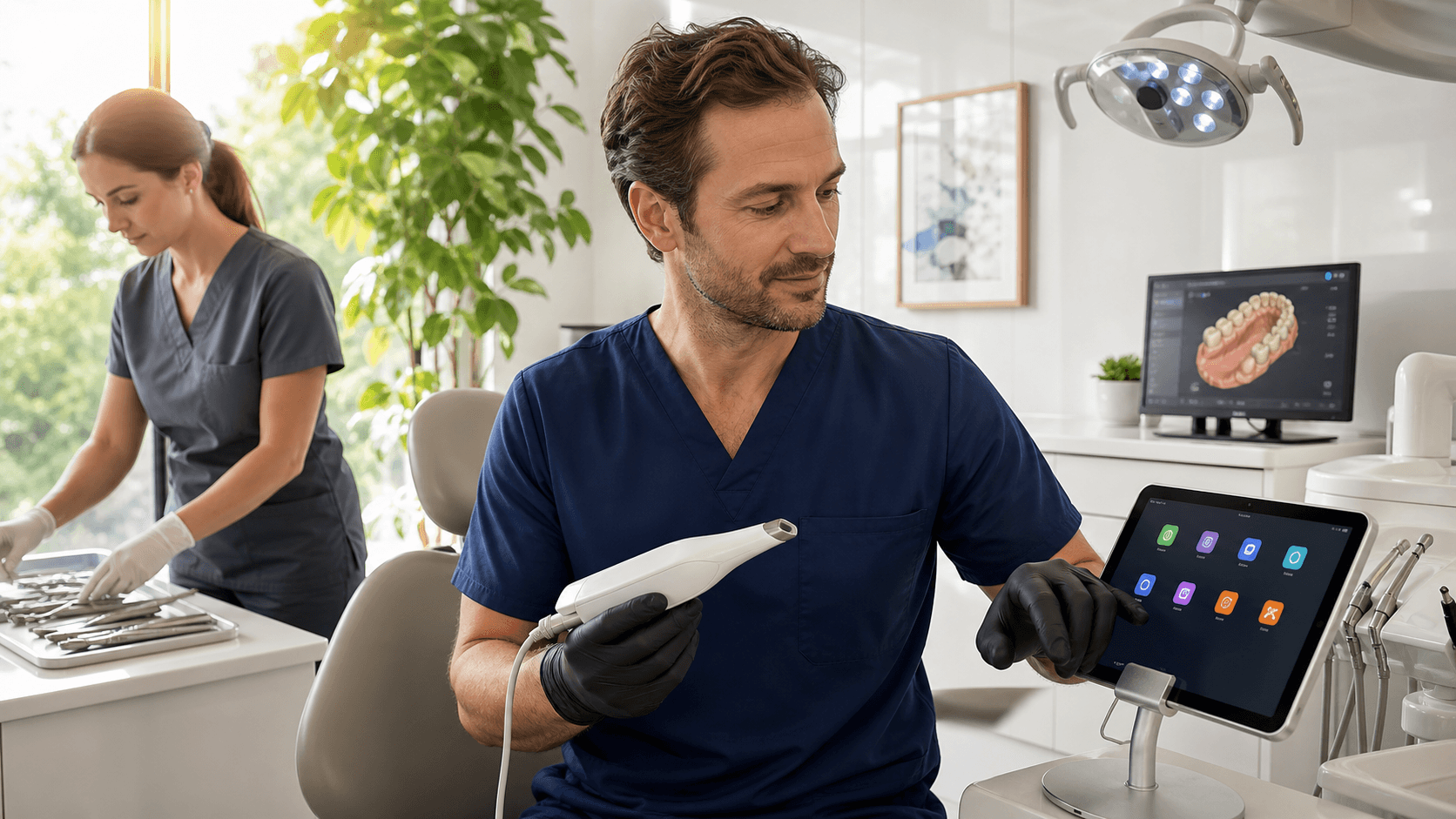
We can also think about how the room feels. Intraoral scanners, chairside monitors, and imaging tools can be presented in a way that supports trust. Instead of just showing patients a colorful picture and jumping into a big case, we can take a breath and walk them through it in plain language.
Helpful approaches include:
- Using the monitor as a teaching tool, not a sales screen
- Pausing to ask, "Does this make sense so far?" before moving on
- Linking each tech feature to a human benefit like comfort, longevity, or fewer visits
Team language matters a lot here. Short scripts and micro-conversations help everyone stay on the same page. For example, when explaining a scanner, we might say it helps avoid messy impressions and lets us check the fit more carefully. When we talk about AI imaging support, we can stress that it is another set of digital eyes, but the dentist always makes the final call. That keeps the focus on care, not on gadgets.
Aligning Your Tech Stack with Team Culture and Seasons
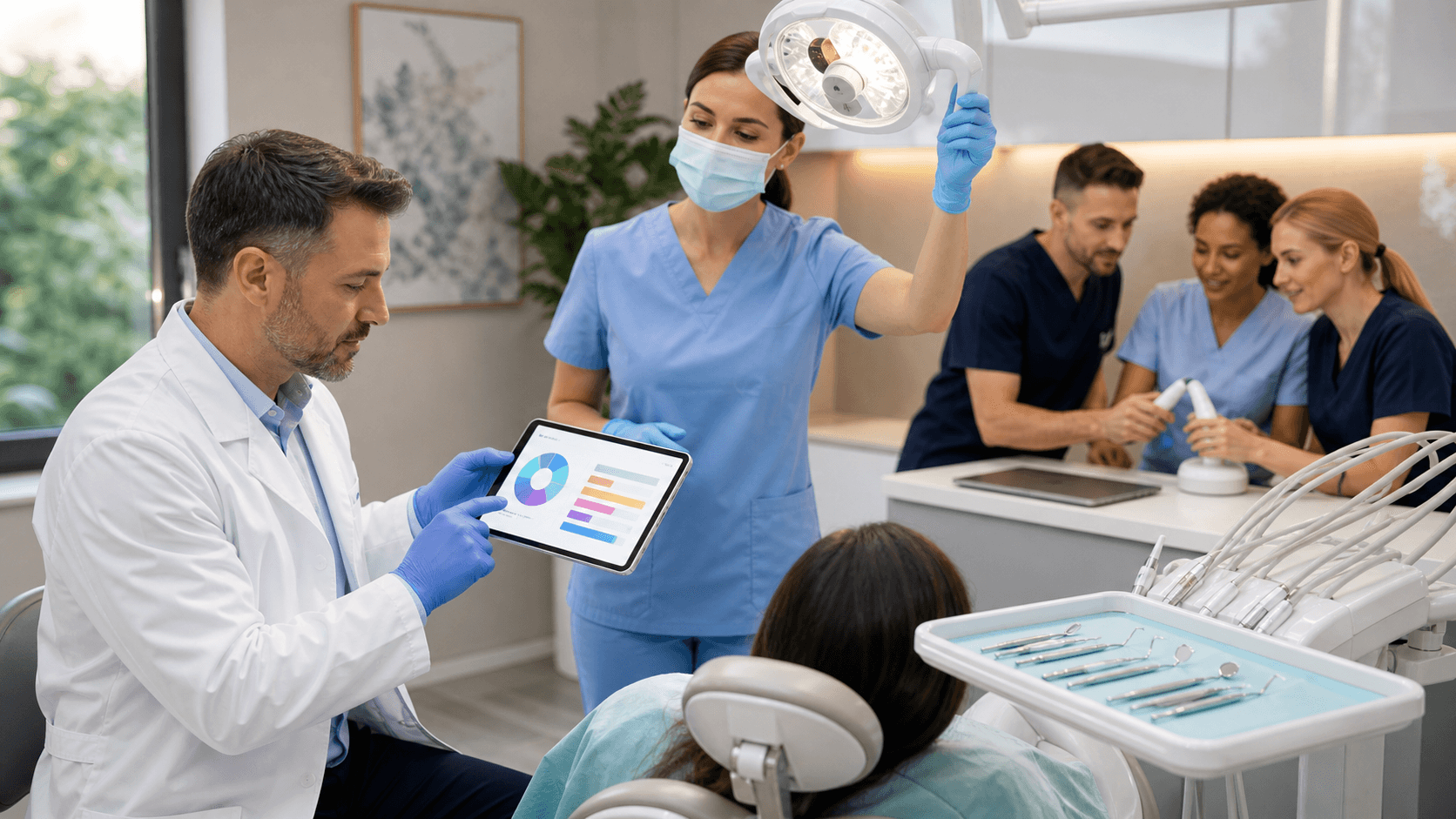
No tech tool can outrun a tired or confused team. To keep autonomy and sanity, we should match each platform to real people in the building. That starts with finding our "tech champions" on the team, the ones who are naturally curious and patient. Those people can own certain platforms and help coach others.
We can also be honest about seasons. In places like Chicago, where Dentistry In General is based, late summer and early fall often come with school schedules, sports, and pre-holiday energy. That can be a great time for efficiency-focused tech that helps us handle more demand without burning out. Winter often slows down a bit, which can be perfect for deeper training and protocol clean-up.
Helpful habits here include:
- Assigning clear owners for each system
- Setting aside protected training blocks instead of squeezing it into lunch
- Using daily huddles to share small wins or struggles with new tools
- Opening feedback loops so assistants, hygienists, and admin staff feel safe to speak up
When we treat technology as a shared upgrade instead of a top-down order, culture stays strong, even when screens and workflows change.
From Shiny Objects to Strategic Advantage
The next time a rep comes in with a demo or a friend raves about a new AI tool, it can help to pause. We can revisit our vision for the practice, our current numbers, and our mental capacity. Does this tool move us closer to the kind of dentistry we want to do, or does it pull us toward someone else's playbook?
One useful habit is building an annual tech plan. Instead of reacting all year long, we choose one or two high-impact systems to focus on. For each one, we set:
- A clear reason we are adding it
- A simple budget and time frame
- A training plan and team owner
- A short list of success metrics we will look at in a few months
We do not have to sort this out alone. Curated continuing education, thoughtful peer conversations, and events like DIG-A-PALOOZA at Dentistry In General help us see what actually works in real independent practices. When we learn from other owners who care deeply about autonomy and long-term freedom, technology stops being a flashing distraction and starts becoming what it should be: a smart, supportive partner to the art and science we already know how to do.
Transform Your Practice With Smart Dental Technology Choices
If you are ready to make confident, cost-effective upgrades, we can guide your dental technology adoption from planning through implementation. At Dentistry In General, we focus on practical steps that fit your workflow, budget, and long-term goals. Reach out so we can review your current systems, identify the best opportunities, and create a clear roadmap. If you have questions or want to schedule a conversation, please contact us today.