Turn Daily Chaos Into Compounding Clinical Growth
A packed schedule can feel like proof that we are doing things right. The operatories are full, the phones are ringing, and we move from patient to patient on autopilot. Then the day ends, charts are half-finished, and the cases that really stretched us blur together and vanish.
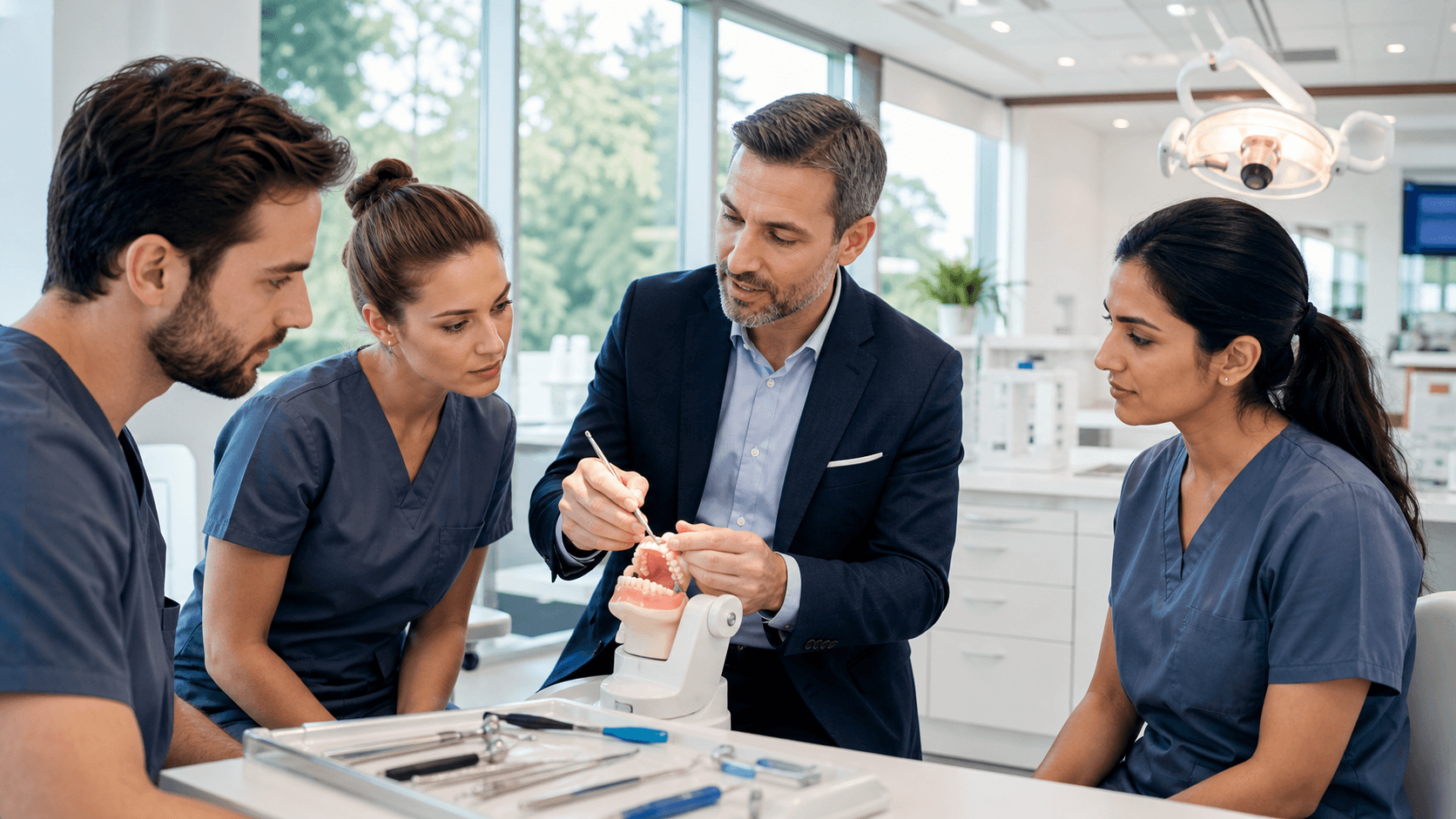
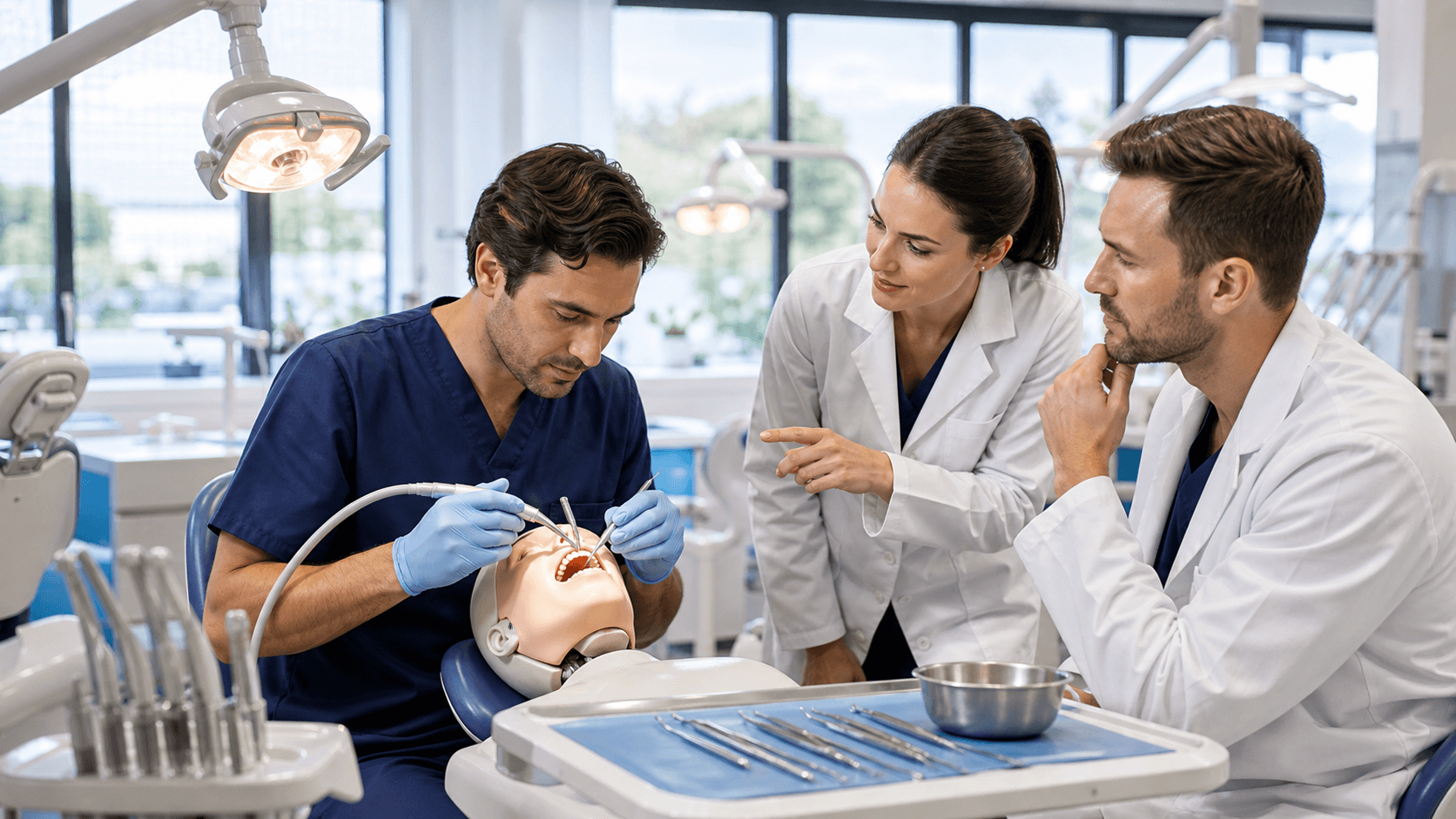
That is the quiet cost of clinical stagnation. Our skills stop growing not because we are lazy, but because the day sweeps away our best learning moments. At Dentistry In General, we care about turning those moments into real dental clinical insights, right at the chair. That is where a simple Chairside CE Micro-Protocol comes in, built around three pieces: a 10-minute daily debrief, quick case capture, and a short weekly metrics review.
Early fall is a natural time to reset. Kids are back in school, schedules in places like New England settle down after summer, and we start thinking about Q4, year-end goals, and our next CE plans. It is the perfect window to shift from autopilot to intentional growth without blowing up the schedule.
Why High-Performing Practices Still Hit Clinical Plateaus
Busy does not always mean better. Our books can be full, hygienists busy, production strong, yet our clinical growth is flat. We diagnose the same way, present the same way, and handle post-op issues the same way.
Stagnation often shows up in quiet ways, like:
- The same kind of fractures and wear patterns showing up again and again
- Patients nodding during explanations but hesitating when we present ideal plans
- That nagging feeling after a case that we could have planned or executed it better
Our brains love patterns. Once we find something that "works well enough," we repeat it. New CE pearls, digital workflows, or airway ideas might excite us during a course, but under daily pressure we snap back to old habits. Without quick, intentional review, those ideas never become our new normal.
Some common blind spots:
- Underdiagnosed wear, airway, and occlusal risk that only shows up years later
- Incomplete photos or records for complex cases, which limits future planning and teaching
- Gaps in patient education, where we talk more about procedures than about long-term health
When we talk about dental clinical insights, we are not talking about big data dashboards. We are talking about tiny, chairside-level observations. The crown that needed one extra occlusal adjustment. The implant case that took 20 minutes longer than it should. The patient who understood everything once we changed one phrase. Those are gold, if we actually catch and capture them.
The 10-Minute Daily Debrief That Fits Real Life
The Chairside CE Micro-Protocol starts with something very small: a micro-debrief at the end of the morning and the end of the day, or just once a day if that is all the time we have. The key is to focus on 2 or 3 pivotal cases, not the whole schedule.
We like a simple question set such as:
- What did we diagnose or treat today that stretched our skills?
- Where did we feel uncertain or wish we had more time, data, or training?
- What communication moments helped or hurt case acceptance?
This is not a full staff meeting. It is more like a mini huddle after the game, while the plays are still fresh.
Roles can be simple:
- Dentist: leads the clinical reflection, points out technique and judgment questions
- Assistant or hygienist: adds workflow, room setup, and patient comfort insight
- Front office: shares what patients asked at checkout, any hesitations or confusions
Use a timer, literally. Five minutes at lunch, five minutes at closing. Notes should be short: a few bullet points in a shared document, a quick note in the practice management system, or even one voice memo tagged "debrief." Keep it forward-looking and curious. The goal is learning, not venting.
Turning Every Operatory Into a Classroom with Case Capture
The next piece is case capture. We are already doing the dentistry. The only change is grabbing a few extra details so we can learn from it later.
High-value cases to capture:
- Esthetic cases, from single central to full smiles
- Implants, grafts, and complex restorative
- Occlusion or wear cases, airway-related concerns, or sleep conversations
- Perio management wins and pediatric behavior wins
- "Near misses" where something almost went wrong or just felt harder than it should
Practical tools to keep it light:
- Standard intraoral photo sets and quick extraoral shots
- Short video clips of function or patient explanations (with consent, of course)
- A "learning case" template in your notes for when a case feels teachable
- Quick voice notes right after the procedure that can be transcribed later
Organization is where cases become an actual library instead of a random pile. Tag by:
- Procedure type and tooth or arch
- Complications or special features
- Lab partner or material choice
- Teaching theme, like bonding, margin integrity, occlusal scheme, or patient communication
Over time, this turns into a live teaching bank. It helps with in-house training, associate mentoring, treatment planning sessions, and even choosing future CE. We start to see patterns in our own work, not just on a course slide deck.
Weekly Metrics to Keep Skills From Flatlining
Daily debriefs and case capture give us stories. Weekly metrics give us signals. We like a 15 to 20 minute review once a week, same day and time, such as early Friday afternoon when the week is still fresh and fall schedules are more predictable.
Keep the dashboard tiny and chairside relevant. For example:
- Case acceptance for ideal plans compared with "patch" or compromised plans
- Redo or adjustment rates, like unplanned bite checks, remakes, or post-op sensitivity visits
- Time drift on key procedures, such as crowns, endo, or clear aligners
The question is not "are we good or bad," but "are we getting clearer and more consistent?" Each small change in the numbers points to something: a script that needs work, a material that is slowing us down, a prep design that keeps leading to open contacts.
The rule we like is simple: no shame, just data. Metrics are not for blame. They protect our clinical judgment and our autonomy. When we know our own patterns, it is easier to decide which techniques to keep, which CE topics to chase, and which habits to quietly retire.
Linking the Micro-Protocol to CE and Team Culture
The real magic happens when we connect these daily and weekly habits to our bigger CE decisions. Instead of signing up for courses based on the flashiest postcard, we can ask: what do our own cases say we need?
Patterns in our notes and metrics might show that:
- We need deeper training in occlusion or airway screening
- Our anterior esthetics are strong, but full mouth cases feel stressful
- We are losing ideal treatment at the handoff from clinical to admin
That is our custom CE roadmap, built from our own dental clinical insights.
Those captured cases are perfect for micro-learning:
- Short lunch huddles built around 3 photos and one question
- Ten minute "clinical excellence" moments during weekly meetings
- Monthly team sessions where we build or update checklists together
When learning becomes normal, the whole team shifts. Assistants and hygienists feel proud to contribute ideas. Associates feel supported instead of judged. The culture tilts toward mastery, not just production. And formal live CE stops feeling like a separate world and starts locking into what we do every day.
Launch Your Chairside CE Reset in the Next Seven Days
A protocol only matters if it can start small and start soon. Here is a simple one-week rollout:
- Days 1 to 2: Pick your debrief time, write your 3 or 4 core questions, decide where notes and case tags will live.
- Days 3 to 5: Capture 1 or 2 learning cases per day and do your short debrief, even if it feels rough.
- Days 6 to 7: Pull 2 or 3 simple numbers for a first weekly metrics review and talk about what they might mean.
Give it 90 days through the fall. Link it to the goals already on your mind: smoother complex cases, clearer case acceptance, and a sharper plan for what CE and practice upgrades to choose next year.
At Dentistry In General, we believe every operatory can be a mini learning lab. Every patient gives us a chance to refine a protocol. Every day can count as chairside CE. With a simple micro-protocol, we can step off autopilot, protect our clinical growth, and move closer to the practice autonomy we wanted when we chose this profession.
Apply Practical Dental Insights To Your Practice Today
If you are ready to turn ideas into measurable improvements, our team at Dentistry In General is here to support your next steps. Explore our curated dental clinical insights to find concrete strategies you can put into practice right away. When you are prepared to talk about your goals, contact us so we can help you tailor an approach that fits your team and patients.