Future-Proof Your Practice Without Losing Yourself
Dental practice digitization is not some far-off idea anymore. Patients expect online scheduling, text reminders, portals, and smart tools in the clinic. They want care that feels both modern and human. If we ignore that, we start to feel behind, especially as the year winds down and the schedule fills with insurance deadlines.
Many dentists worry that going digital means giving up the part of practice they love most: real relationships, thoughtful treatment, and a clear clinical voice. That fear is real. At Dentistry In General, we believe the answer is not to say no to tech, but to use it in a way that protects who we are. In this article, we will talk about how to bring digital tools into a general practice while keeping your identity front and center.
What Dental Practice Digitization Really Means
When we say dental practice digitization, we are not talking about one single system. We are talking about the whole flow of care, from the first touch to long-term follow-up. That might include:
- Digital charting and imaging
- Workflow tools for scheduling and task tracking
- Online booking and digital intake forms
- Teledentistry options where appropriate
- Patient portals and secure messaging
There is a big difference between digitizing tasks and changing the experience. Digitizing tasks is what happens when we swap paper charts for software or send forms by text instead of handing over a clipboard. Transforming the experience is when we rethink how people move through the practice and how we talk with them at each step.
The tools themselves are neutral. They are not warm or cold on their own. The trouble starts when we let software drive the experience instead of our own vision. When we install a system without a clear plan for how it should feel for our patients and team, we risk losing the character that makes our practice different from the one down the street.
Protecting Your Clinical and Brand Identity
Practice identity is more than a logo or a color palette on a website. It lives in moments like how we explain a cracked tooth, how we respond when a patient is nervous, and how people feel as they walk back to the car after an appointment.
Your identity includes things like:
- Your clinical philosophy and treatment planning style
- The way you present choices and talk about risk and benefit
- The tone of your emails, texts, and calls
- The pace and "feel" of a visit, from front desk to checkout
Digital tools can actually make this more consistent. For example, reminder messages can reflect your true voice if you edit them instead of using the default text. Treatment visuals and photos can be chosen to match how you explain problems and solutions in the chair. Educational emails can echo the same simple, clear language you use when you sit knee-to-knee with a patient.
The danger is in vendor templates. When every message, form, and screen looks the same, your practice starts to feel like every other one that bought the same platform. To protect your identity, try simple steps like rewriting canned emails, updating website copy so it sounds like you, and reviewing digital forms to be sure the questions and tone match your values around respect and clarity.
Practical Steps to Digitize Without Burning Out Your Team
Going "all in" on digital overnight is a quick way to stress out your staff and yourself. A better path starts with something less shiny but much more helpful: mapping your current workflow. Look at how you:
- Book appointments and handle cancellations
- Gather health histories and insurance information
- Present treatment plans and follow up
- Handle post-op questions and recalls
Write this out or sketch it on a whiteboard. When you know what actually happens now, it is easier to see where digital tools might truly help instead of just adding clicks.
From there, choose one or two high-impact areas. Maybe that is online scheduling for new patients, digital forms to cut down on clipboards, or intraoral scanning to speed up certain procedures. Pick what will help both your patients and your team, not just what sounds trendy.
Team buy-in is huge. Assign a "champion" for each new tool, give real, protected time for training, and build in a simple feedback loop. That could be a quick weekly huddle where the team shares what is working and what feels clunky. When staff feel they can shape the process, the software starts to serve the practice instead of ruling it.
Using Digital Tools to Deepen Patient Relationships
The fear that technology makes care cold is strong, but digital tools can actually give us more chances to be personal. A recall message that speaks to a patient by name and fits the way your office talks already feels more human than a generic "do not reply" notice. A short post-op text that checks on comfort and offers a quick way to ask a question can make patients feel seen between visits.
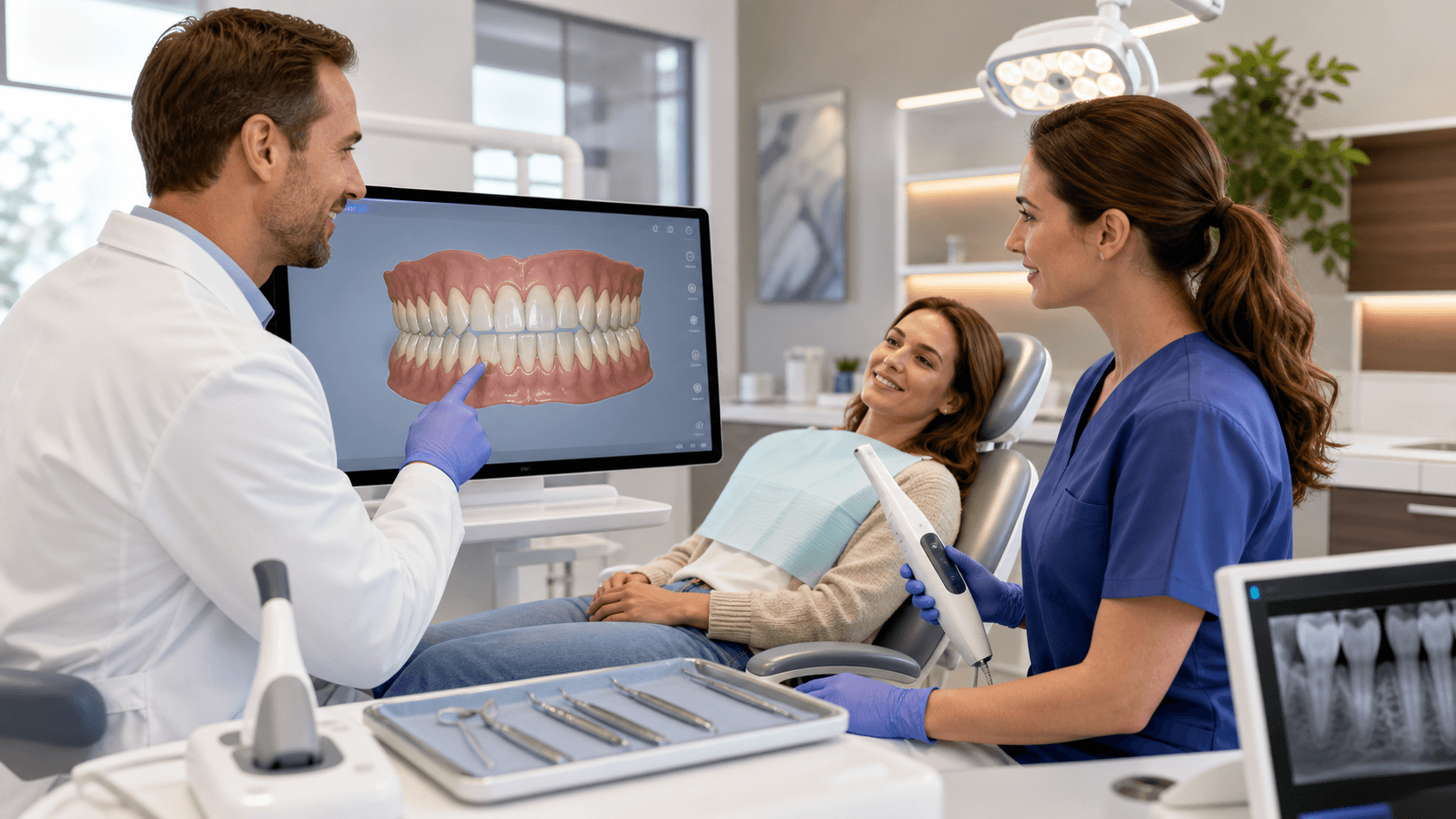
Inside the operatory, digital photos and scans can turn a confusing problem into something easy to understand. When a patient can see a crack, wear pattern, or gum change on a screen in front of them, they are more likely to join the discussion instead of just nodding. Tablets at the chair can support that same collaborative feel.
You can also extend your chairside style into the rest of life with simple educational content that matches your philosophy. That might mean:
- Short videos walking through common treatment choices
- Podcast episodes that talk about everyday oral health decisions
- Email sequences that explain what to expect from bigger cases
These touches matter a lot during the busy end-of-year season when insurance benefits and treatment plans collide with holidays and weather shifts. Clear, calm digital communication can lower stress and keep trust strong.
Curating a Tech Stack That Respects Your Autonomy
Not every tech partner fits an autonomy-focused general practice. When you look at options, pay attention to more than flashy features. Ask questions like:
- Who owns the data, and how easy is it to move if you change systems?
- Can workflows be adjusted to match how your team actually works?
- How much control do you have over branding, messaging, and visuals?
- Does it play well with your other tools, or try to pull everything into one rigid box?
It helps to choose platforms that allow you to steer the patient journey rather than forcing you into a single script. That might mean customizable templates, flexible settings, and the freedom to keep your own language.
Real stories from peers often beat polished demos. At Dentistry In General, we care a lot about practice autonomy and real-world general dentistry. Events like DIG-A-PALOOZA are built to bring dentists into the same room so we can hear what works, what flopped, and how others stayed true to their identity while going digital. Those conversations add context that no sales video can match.
Your Next Step Toward a Digitized, Distinctive Practice
Before picking your next tool, choose one core part of your identity you refuse to lose. Maybe it is long, unhurried exams, relationship-based care, or a calm, concierge-style feel from the moment someone walks in. Hold on to that as your north star.
Then pick one digital move that makes that core even stronger in the coming months. Set a simple plan: what you want to improve, when you will roll it out, who on your team owns each part, and how you will know it is working. As you learn and adjust, keep looking for education and community that respect hands-on general dentistry and true autonomy. That is the heart of what we care about at Dentistry In General, and it is the thread that can tie your digital tools back to the kind of practice you set out to build.
Transform Your Dental Practice With Smart Digital Systems
If you are ready to streamline workflows, strengthen patient relationships, and get more clarity from your numbers, our team at Dentistry In General is here to help. Explore how our dental practice digitization approach can align your technology with your clinical and business goals. We will work with you to build a practical roadmap that fits your current systems, staff, and budget. Have specific questions or want to schedule a conversation with our team? Contact us today.