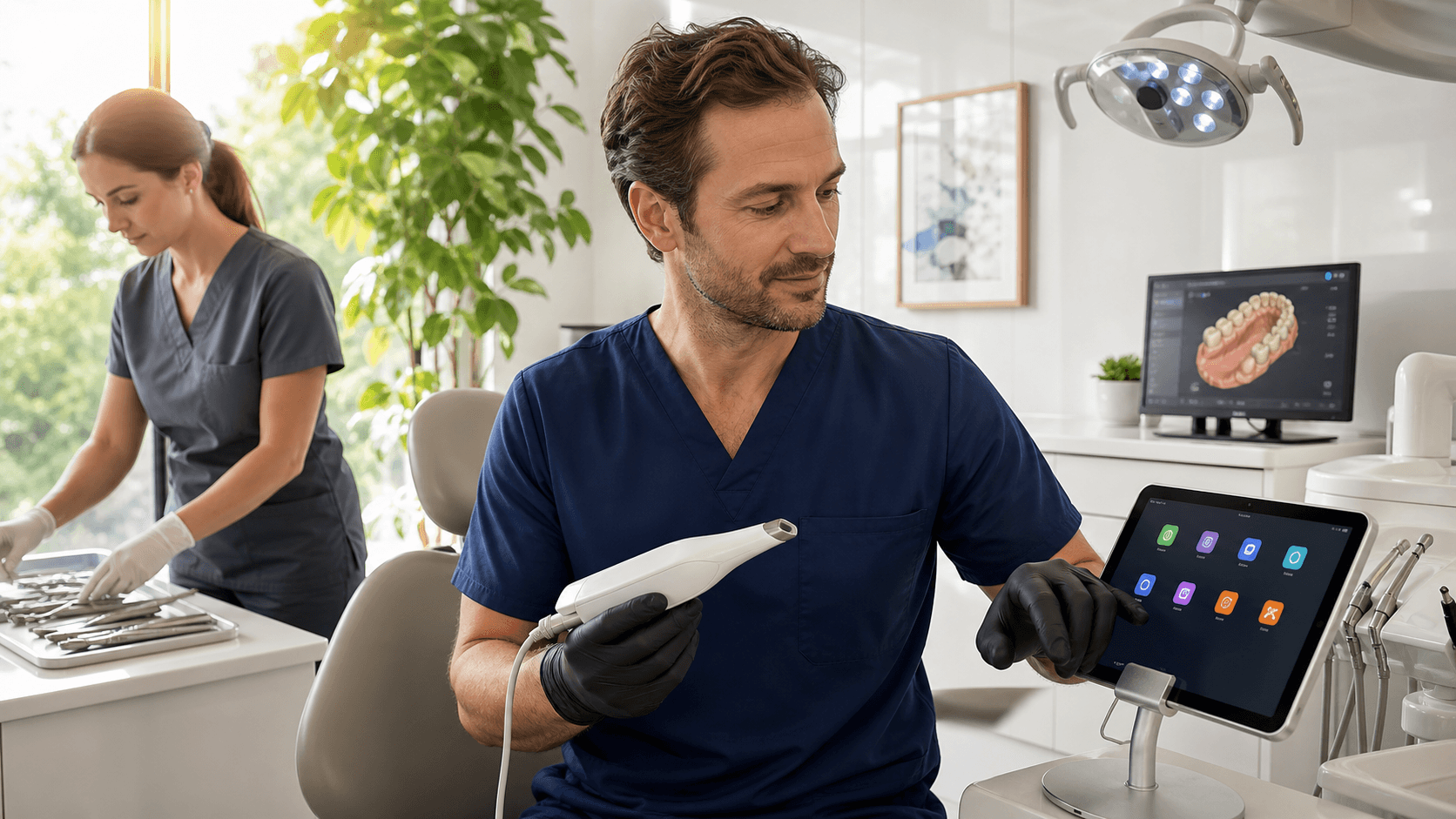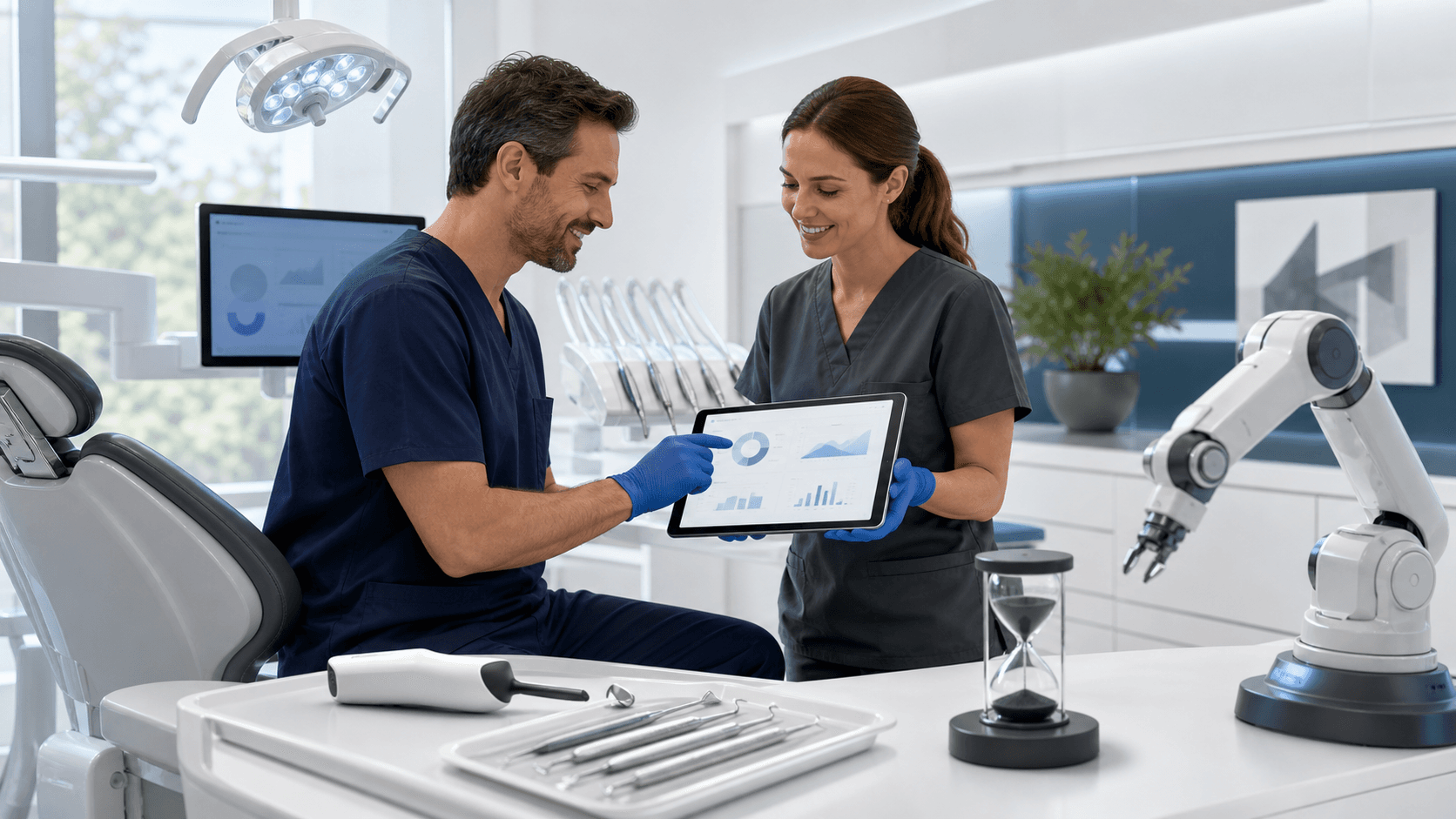
When High Tech Dentistry Stops Moving Forward
Dental practice automation is supposed to make life easier. Less stress, smoother days, happier patients. But many general dentists hit a point where the practice has all the gadgets, yet things still feel clunky, rushed, or stuck in the past.
Summer is a natural mid-year checkpoint. Schedules shift, kids are out of school, and we finally have a little space to look up from the day-to-day. This is when many of us start asking: Is all this tech actually working for us, or are we just paying for features no one uses?
The hard truth is that buying tools is not the same as building an innovative practice. Real change touches systems, culture, and patient experience. At Dentistry In General, we see automation as just one piece of a bigger picture that includes ongoing education, community support, and clear leadership, especially through events like DIG-A-PALOOZA that are built around independent practice success.
Why Automation Alone Will Not Save Your Practice
There is a common myth in dentistry: if we buy the right software, AI tool, or scanner, growth will just happen. The phones will magically be quieter, the schedule will fill itself, and the team will suddenly have more time.
Here is what usually happens instead:
- Systems are set up once, then rarely updated
- Only one or two people know how to run key tools
- Workflows never change, even though the tech changes
The hidden cost is the "set it and forget it" mindset. When automations are half-built, half-used, or never cleaned up, we pay in other ways. The team spends time fixing mistakes. Patients get mixed messages. Leaders get frustrated because the return never shows up.
The real driver is human, not digital. Leadership, clear expectations, and honest communication decide if dental practice automation works or just adds noise. If the culture in the practice says, "Tech is annoying," or "This is just another thing we will drop in a month," then even the best software turns into friction.
Patients feel this too. When they see fancy equipment but still have to fill out the same forms three times, or they get texts that do not match what the front desk said, trust starts to slip. It is not the gadgets that matter; it is how consistently the whole team uses them.
To move forward, we need clarity about what we actually want from automation and alignment inside the team, not just more features on a demo screen.
Spotting the Warning Signs of Innovation Stall
How do we know when innovation has quietly stalled? It often shows up in small, everyday signals.
Operational red flags include:
- Staff using sticky notes instead of the task system
- Hygienists or assistants skipping digital templates and typing freehand
- No-shows creeping up even though you have reminder tools
- Treatment plans sitting unscheduled, even after "automated" follow-up
Then there is team sentiment. You might hear things like, "We tried that already," or see eye rolls when new protocols are mentioned. People may avoid learning a new feature because they expect it will be dropped soon. Tech fatigue is real when changes are constant but wins are rare.
Data is another warning sign. If reports are inconsistent, KPIs are fuzzy, or you are not sure which parts of your automation stack are actually turned on, it is hard to make smart choices. Many practices in this spot feel busy but blind.
Summer can shine a light on all of this. When the schedule softens a bit or shifts around vacations, the cracks in systems stand out more. A quick mental check can help:
- Are we using our tools daily, or only when one person remembers?
- Do patients get a consistent experience from first call to final follow-up?
- Does our team feel supported by our tech, or weighed down by it?
If those answers feel shaky, innovation may be coasting instead of climbing.
Resetting Your Automation Strategy for Real Impact
The good news is that you do not have to start over. You can reset.
First, get clear on your vision. Ask, "What do we actually want automation to do for us right now?" Maybe it is:
- Higher case acceptance on big treatment
- Fewer holes in the schedule
- Smoother handoffs from front to back
- Better collections and more calm at the end of the month
- More time off the grid for the doctor
Once you know the target, you can simplify the tech stack. Many general dentists are paying for overlapping tools. It often helps to trim down to a core set that your team can truly master.
Then, fix the workflows before fussing over features. Map the patient journey from first contact to post-op. Where do they wait, repeat themselves, or get confused? Automation should support that path, not fight it.
Investing in people matters more than investing in products. Short, focused training sessions, micro-coaching at morning huddles, and time for questions make a big difference. When your team feels competent and confident, they actually use the systems you already have.
Finally, add simple accountability:
- Assign an "owner" for each major system
- Track one or two adoption metrics at a time
- Celebrate small wins when the new process works
That is how changes stick instead of slipping back to "the way we have always done it."
Turning Automation Into a Summer Growth Catalyst
Summer is not just a slow season, it is a reset season. June is a sweet spot for tuning systems before the back-to-school rush and end-of-year benefits push.
Use this time for smart, low-risk experiments like:
- Turning on or refining automated follow-ups for unscheduled treatment
- Cleaning up recall outreach and testing new timing or wording
- Tightening reminders so fewer patients slip through the cracks
Lean into the data you already have from your dental practice automation tools. Simple reports can point to:
- Patients overdue for hygiene
- Past whitening interest that never scheduled
- Families who may need school exam visits before fall
On the patient side, small digital touches can go a long way. Online forms, clear text confirmations, and simple follow-up education turn slower summer days into trust-building moments. None of this has to be fancy. Consistency beats complexity every time.
The goal is not to build a hundred automations at once. The goal is to build daily habits around a few key ones.
Plugging Into a Community That Keeps You Moving
Independent general dentists often feel alone with all of this. Vendors promise big things, patients expect smooth digital experiences, and we are still trying to lead teams, prep teeth, and get home before dark. It is a lot.
This is where community matters. When we talk with other dentists who are working through the same questions, we shortcut years of trial and error. Hearing real workflows, scripts, and systems that actually work in similar practices is powerful.
At Dentistry In General, our focus is helping general dentists turn tools into real change, especially through DIG-A-PALOOZA, our premium CE event built around independent practice success. It is designed as a place to step back, evaluate your automation strategy, and gather ideas that your team can actually use on Monday morning. Around that, our broader education platform, podcasts, and partner solutions create ongoing support so innovation does not stall again when you get busy.
If you do nothing else this week, pick one system in your practice, audit how it is really being used, and talk openly with your team about what is working and what is not. That simple act of honest review is where real innovation starts to move again.
Streamline Your Dental Practice With Proven Automation Strategies
If you are ready to reduce manual tasks and focus more on patient care, our team at Dentistry In General can help you implement effective dental practice automation tailored to your workflow. We will work with you to identify where automation can immediately improve efficiency, accuracy, and profitability. To start a conversation about your goals and challenges, simply contact us and we will follow up with practical next steps.